


Leadership Through Sonship, Not Power
Why Fathered Leaders Build Nations and Orphaned Leaders Destroy Them
Leadership reveals the state of a society’s soul. The way power is exercised exposes whether authority is rooted in identity or insecurity.
The greatest leadership failures in history were not caused by lack of intelligence or vision, but by leaders attempting to fill internal voids with external control. When leadership is disconnected from sonship, power becomes a substitute for identity—and society pays the price.
The Father’s blueprint for leadership begins with belonging before authority.

Power Does Not Heal Identity
Authority amplifies what already exists within a leader. It does not heal insecurity—it exposes it.
Leaders who lack sonship often:
-
Lead through fear rather than trust
-
Demand loyalty but offer little protection
-
Confuse control with competence
Such leadership creates cultures of compliance, not commitment. People obey outwardly but disengage inwardly, resulting in fragile systems that collapse under pressure.
Sonship, by contrast, anchors leaders in purpose. It removes the need to dominate, impress, or defend ego.
The Difference Between Fathered and Orphaned Leadership
Fathered leaders know who they are. Their leadership flows from security, not survival.
They:
-
Build people, not just systems
-
Delegate without fear of being replaced
-
Prioritize legacy over recognition
Orphaned leaders lead from wounds. Their leadership is reactive, defensive, and often destructive—especially under stress.
They may achieve short-term success, but they leave behind broken cultures, exhausted teams, and unstable institutions.
Leadership Is Stewardship, Not Ownership
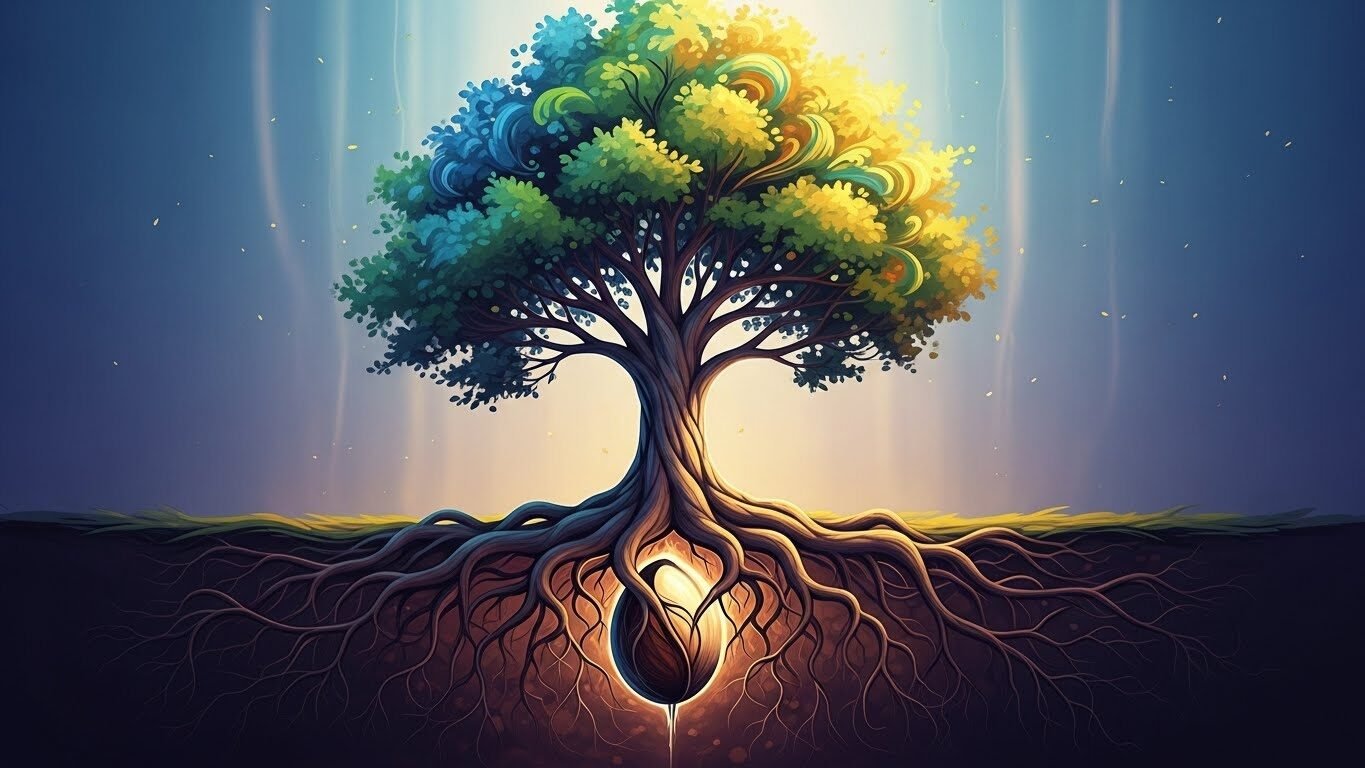
The Father’s model of leadership is rooted in stewardship. Authority is given to serve, protect, and multiply—not to exploit.
When leaders view their position as ownership, corruption follows. When they view it as stewardship, trust grows.
Steward leaders understand that influence is temporary but impact is generational. They make decisions with the future in mind, not just immediate gain.
Why Nations Rise or Fall on Leadership Identity
Policies matter. Structures matter. But leadership identity matters more.
A nation with imperfect systems but healed leaders can reform itself. A nation with strong systems but broken leaders will eventually decay.
Leadership shaped by sonship creates stability. Leadership driven by insecurity creates cycles of dysfunction.
Reclaiming the Blueprint
Restoring leadership begins with restoring identity. Before training skills, society must heal wounds. Before expanding authority, it must establish belonging.
The most powerful leaders are not those who assert dominance, but those who lead from wholeness.
Sonship does not weaken leadership.
It anchors it.
What Comes Next
If leadership shapes systems, then culture reveals what those systems truly value.
In the next post, we explore Culture as a Reflection of What We Worship—and how art, media, and education expose the heart of society.