Sonship Before Citizenship
Why Identity Precedes Nationhood and Healed People Build Healthy Societies
Every nation is made of people.
And every person is shaped by identity.
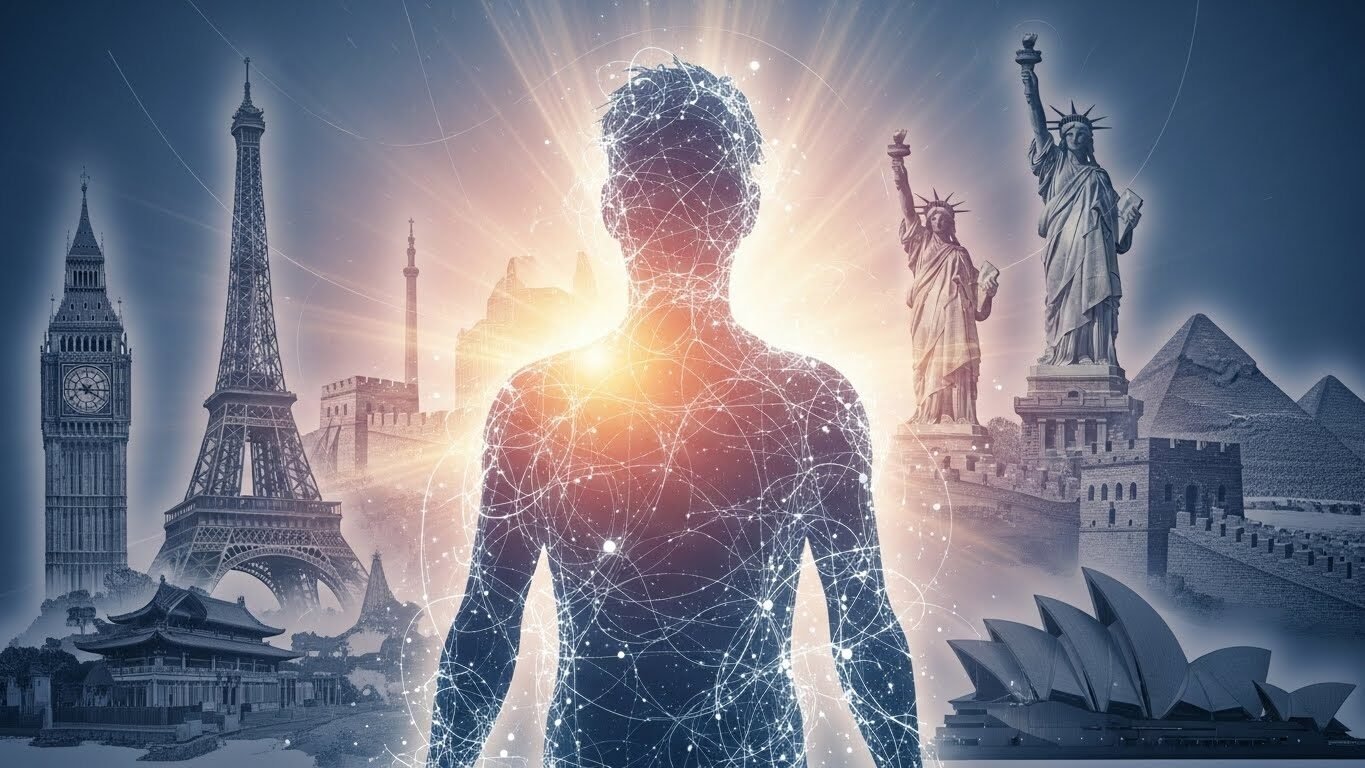
Before laws are obeyed, taxes are paid, or flags are saluted, something far more fundamental is established—or fractured—within the human soul: belonging. Society often attempts to shape behavior without first healing identity, and this misalignment creates fragile nations populated by disconnected citizens.
The Father’s blueprint for society begins with sonship, not citizenship.

Identity Is the First Infrastructure
Citizenship defines legal status. Sonship defines personal worth.
When identity is rooted in belonging, individuals develop an internal sense of responsibility, dignity, and purpose. They do not require excessive enforcement to behave ethically because integrity flows from who they know themselves to be.
Without this foundation, nations become dependent on fear-based systems to regulate behavior. Surveillance increases. Punishment intensifies. Control replaces trust.
Identity is the first infrastructure of any society. When it is strong, systems remain light. When it is broken, systems grow heavy and oppressive.

What Happens When Citizenship Replaces Sonship
Modern societies often demand loyalty without offering belonging. People are expected to uphold national values while being emotionally disconnected, economically marginalized, or culturally fragmented.
This produces citizens who comply outwardly but disengage inwardly.
When sonship is absent:
-
Responsibility feels imposed rather than embraced
-
Entitlement replaces contribution
-
National pride becomes performative rather than personal
People begin to extract from systems instead of investing in them. Citizenship becomes transactional, not relational.
A nation cannot thrive when its people feel like strangers within it.

Healed Identity Produces Responsible Citizens
Sons and daughters who know who they are do not need constant validation from authority. They contribute because they see themselves as part of something meaningful.
Such individuals:
-
Protect public resources
-
Respect institutions without idolizing them
-
Engage leadership without blind rebellion or passive submission
They understand that citizenship is not about entitlement but stewardship.
Healed identity creates citizens who build rather than consume, who serve rather than sabotage, and who seek generational impact rather than short-term gain.

Why Policy Alone Cannot Fix Society
Governments often respond to social breakdown with stricter laws, increased funding, or institutional reform. While necessary, these measures cannot address the root problem.
Identity cannot be legislated.
Crime, corruption, and civic apathy are not merely legal issues—they are symptoms of internal disconnection. Until people know who they are, systems will continue to manage behavior instead of cultivating responsibility.
True national healing requires more than regulation. It requires restoration.
Reordering the Blueprint
When sonship is restored, citizenship finds its proper place. Identity becomes the anchor, and civic responsibility flows naturally.
Strong nations are not built by controlling people but by cultivating belonging. When people feel seen, valued, and connected, they protect what they belong to.
The future of society does not begin with policy reform.
It begins with identity restoration.
What Comes Next
If identity shapes citizenship, then the family becomes the primary environment where identity is formed.
In the next post, we explore The Family as God’s Original Model for Governance—and why no society can outgrow the health of its homes.